

Introduction
For many U.S. households, a pet isn’t just a companion—they are a family member. But in February 2026, loving that family member comes with a steeper price tag than ever before. Veterinary inflation has consistently outpaced the Consumer Price Index (CPI), and a single trip to the emergency room can now rival the cost of a used car.
If you’ve noticed your local clinic’s exam fees creeping up, you aren’t imagining it. The financial landscape of pet ownership has shifted dramatically. Below, we break down the real 2026 cost of veterinary care and how a pet insurance policy can be your only reliable hedge against these rising costs.
The Reality of Vet Costs in 2026
The “sticker shock” at the vet’s office today is driven by a perfect storm: a national shortage of veterinary technicians, the integration of advanced human-grade diagnostics (such as 3D laparoscopy and high-field MRIs), and rising operational costs for 24/7 emergency facilities.
According to 2026 market benchmarks, here is what pet owners are facing for common life-saving procedures:
2026 Veterinary Cost Benchmarks
| Procedure / Condition | Estimated Cost Range (Uninsured) |
| Emergency ER Exam & Diagnostics | $450 – $1,200 |
| Foreign Body Surgery (Ingestion) | $3,500 – $7,500 |
| GDV (Bloat) Emergency Surgery | $5,000 – $9,500 |
| Cancer Treatment (Chemo/Radiation) | $6,000 – $15,000+ |
| Cruciate Ligament Repair (TPLO) | $4,500 – $6,000 per knee |
| Hospitalization (Per Night) | $800 – $1,800 |
These estimates reflect 2026 industry benchmarks from emergency clinics in high-cost states like California, New York, and Florida.
For many, these numbers represent a “catastrophic” financial event. Without a safety net, owners are often forced into “economic euthanasia”—making medical decisions based solely on a bank balance rather than a pet’s prognosis.
How Pet Insurance Saves Money (The Math)
Pet insurance doesn’t just “discount” your bill; it transfers the risk of a $10,000 invoice to an insurance provider in exchange for a predictable monthly premium. Most modern plans operate on a reimbursement model. You pay the vet upfront, submit the invoice, and receive a direct deposit for the covered amount.
If you’re unsure how reimbursement percentages and deductibles work, read our full guide on how pet insurance works for beginners.
The Three Levers of Your Premium:
Deductible: The amount you pay out-of-pocket before insurance kicks in (typically $100–$1,000). A higher deductible lowers your monthly premium significantly.
Reimbursement Rate: The percentage the insurer pays (usually 70%, 80%, or 90%).
Annual Limit: The maximum the insurer will pay in a year (ranging from $5,000 to “Unlimited”).
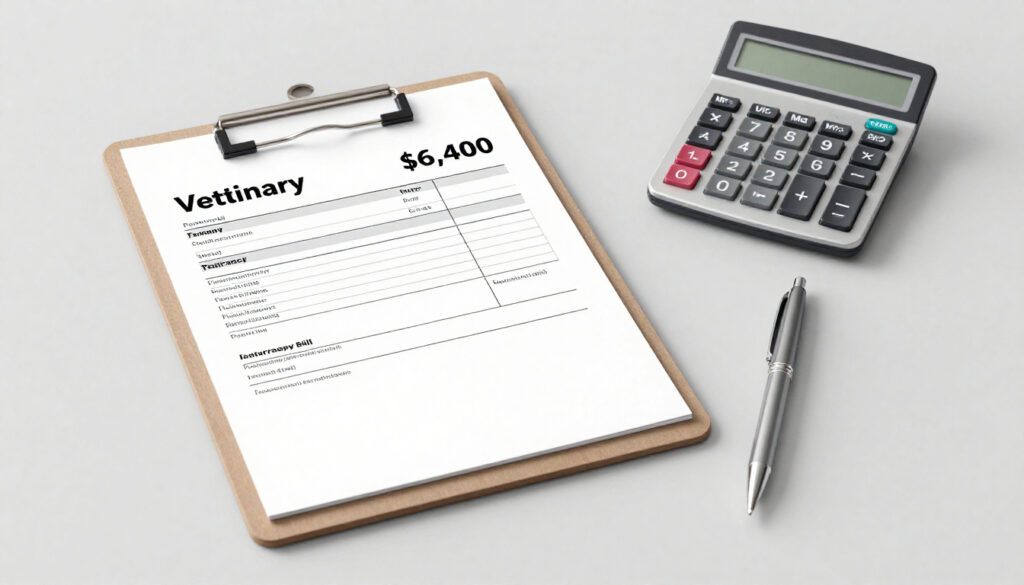
Real-World Claim Example: The “Counter Surfer”
The Scenario: “Cooper,” a 2-year-old Golden Retriever, eats a decorative corn cob. He requires emergency surgery and two nights of hospitalization.
Total Vet Bill: $6,400
The Insurance Plan: $500 deductible, 90% reimbursement.
Your Responsibility: $500 (deductible) + $590 (10% co-insurance) = $1,090
Insurance Payout: $5,310
Savings: In this single event, the policy saved the owner over seven years’ worth of premiums.
Before choosing a plan, review our guide on the average pet insurance cost per month in the USA.
Choosing Your Shield: Coverage Categories
Not all coverage is created equal. In 2026, providers have diversified their offerings to fit different budget levels.
Accident & Illness (Comprehensive)
The gold standard. This covers everything from broken bones and bite wounds to chronic conditions like diabetes, allergies, and cancer.
Who it’s for: Owners who want total peace of mind against the unknown.
Accident-Only
A budget-friendly “catastrophic” plan. It covers physical injuries (hit by a car, poisoning, fractures) but zero illnesses.
Who it’s for: Owners of senior pets who may be priced out of full coverage, or those who can afford “sick” visits but not $8,000 surgeries.
Wellness & Preventive Add-ons
These are riders you add to a base policy to cover routine costs like vaccinations, heartworm prevention, and annual bloodwork.
Pro Tip: Do the math. If the wellness rider costs $25/month ($300/year) but only provides $250 in value, it’s better to self-fund routine care.
2026 Provider Recommendations
Based on current customer satisfaction scores and claim-processing speed, these providers lead the market in 2026:
| Provider | Best For… | Why We Like Them |
| Trupanion | Direct Pay | Can often pay the vet directly at checkout, so you aren’t out-of-pocket. |
| Embrace | Vanishing Deductibles | Your deductible drops by $50 every year you don’t claim. |
| Lemonade | Tech-Savvy Owners | AI-driven claims can be approved in seconds via their app. |
| Fetch | Holistic Care | Covers specialized treatments like acupuncture and hydrotherapy. |
| MetLife | Multi-Pet Families | Offers a shared deductible for multiple pets to simplify costs. |
Breed-Specific Financial Risks
Your pet’s DNA dictates their future medical “hotspots.” Choosing a plan that covers hereditary and congenital conditions is non-negotiable for certain breeds:
French Bulldogs: Highly prone to IVDD (back surgery) and respiratory issues. Costs can easily exceed $10,000.
German Shepherds: High risk for hip dysplasia; ensure your plan doesn’t have a “bilateral exclusion” (if one side is diagnosed, the other is excluded).
Maine Coons: Genetic predisposition to heart disease (HCM), requiring lifelong expensive cardiac monitoring.
What to Watch Out For: The “Red Flags”
To avoid being “over-insured” but “under-covered,” keep a close eye on these three limitations:
Pre-existing Conditions: No traditional U.S. pet insurance covers conditions your pet had before the policy started. If your cat was treated for a UTI last year, future UTIs may be excluded.
Waiting Periods: Most plans have a 2-day to 14-day waiting period for accidents and illnesses. Some have a 6-month wait for orthopedic issues like ACL tears. Don’t wait for a limp to sign up.
Bilateral Exclusions: If your dog tears the ACL in the left leg, many insurers will refuse to cover a future tear in the right leg. Look for “Bilateral Coverage” in the fine print.
Financial Comparison: Insured vs. Out-of-Pocket
Over a 10-year lifespan of a dog, a typical comprehensive policy might cost $6,000–$8,000 in total premiums.
Scenario A (No Insurance): Your dog stays healthy until age 8, then develops a mass that requires surgery and oncology follow-ups ($12,000 total). You pay the full $12,000.
Scenario B (With Insurance): You paid $7,000 in premiums. The $12,000 bill is 90% covered. You pay your deductible ($500) and your 10% share ($1,150). Total spent: $8,650.
The insured owner saved $3,350 and had the peace of mind of manageable monthly payments rather than a sudden five-figure debt.
FAQ: Frequently Asked Questions
1. Does pet insurance cost more in 2026?
Yes, average premiums have risen roughly 5-8% year-over-year to keep up with the rising cost of veterinary labor and medical technology.
2. Can I get insurance for my 12-year-old cat?
Most providers (like Embrace or ASPCA) will insure seniors, but the premiums will be high, and many pre-existing conditions will likely be excluded.
3. What is a “bilateral condition”?
These are conditions that can happen on both sides of the body, like hip dysplasia or cataracts. Some insurers view them as one single “event” to avoid paying twice.
4. How do I get my money back after a vet visit?
You usually take a photo of your paid invoice and upload it to the insurer’s app. Most 2026 leaders process claims via direct deposit within 3–7 business days.
5. Is there a “waiting period” for emergencies?
Usually, there is a 2-day waiting period for accidents. If an accident happens 24 hours after you buy the policy, it likely won’t be covered.

Next Steps for Pet Owners
Don’t wait for a medical emergency to test your finances. Planning is far cheaper than reacting in panic.
1. Compare at Least Three Quotes
Start with reputable providers like Trupanion, Lemonade, and Embrace to see how pricing changes based on your pet’s breed, age, and location.
2. Check Employer Benefits
Many U.S. employers now offer pet insurance as a voluntary benefit, often with 10–15% discounts through payroll.
3. Enroll While Your Pet Is Healthy
Premiums are based on your pet’s age at enrollment. Locking in coverage early prevents future conditions from becoming pre-existing exclusions.